Medical courier work can involve laboratory specimens, medications, blood products, transplant organs, medical supplies, and other sensitive healthcare deliveries. Each shipment has its own handling, security, and delivery needs.
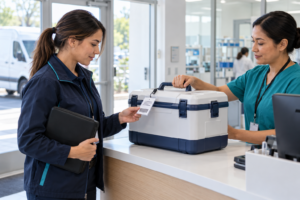
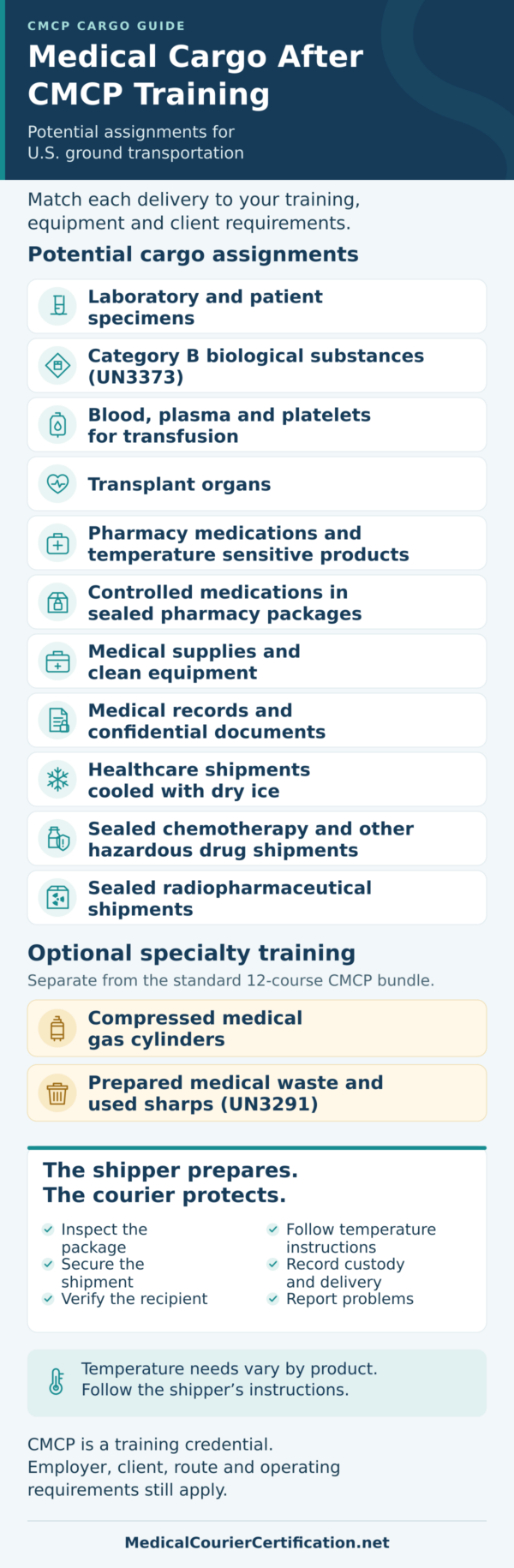
The Certified Medical Courier Professional (CMCP) bundle includes 12 courses that build a foundation in healthcare privacy, safety, specimen transportation, hazardous materials, and courier responsibilities. The cargo you may transport depends on your assigned duties and the requirements of your employer or healthcare client.
This guide focuses on U.S. ground transportation of shipments prepared by the shipper. It also explains how optional compressed gas and medical waste training can help you prepare for additional cargo assignments.
The Shipper Prepares the Shipment and the Courier Protects It
For the delivery model described here, the hospital, laboratory, pharmacy, blood bank, or other shipper prepares the shipment before pickup. This includes the packaging, required labels, and any cooling or temperature control system.
The courier receives the prepared package and follows the instructions for transporting it. Core responsibilities include:
- Checking the outside of the package for damage or leakage.
- Confirming pickup details and delivery instructions.
- Securing the shipment inside the vehicle.
- Protecting the required temperature conditions.
- Recording pickup, custody, and delivery.
- Reporting delays, damage, missing packages, or other problems.
Temperature control does not always mean refrigeration. Depending on the product, the required conditions may be refrigerated, frozen, or controlled room temperature. Follow the shipper’s product-specific instructions.
Medical Cargo You May Transport
Laboratory and Patient Specimens
Laboratory routes may involve blood samples, urine samples, swabs, tissue samples, and other materials collected for testing.
The laboratory or collection site prepares the specimens for pickup. Your role is to protect the package, follow its transport instructions, and deliver it within the required time.
CMCP includes specimen handling training that addresses package condition, specimen integrity, temperature, documentation, and handoff. Clinical specimen collection, such as drawing blood, requires separate training and authorization.
Biological Substance Category B UN3373
Some patient or animal specimens are classified by the shipper as Biological Substance, Category B, UN3373.
CMCP includes training for couriers transporting these prepared packages by domestic ground. It addresses package recognition, external inspection, secure loading, delivery, and the response to damaged or leaking shipments.
A blood or tissue sample may fit into this category depending on its classification. The shipper makes that determination before transport. Category A infectious substances fall outside this routine UN3373 courier scope.
Blood, Plasma, and Platelets for Transfusion
Medical couriers may be assigned to transport blood products between blood banks, hospitals, and other healthcare facilities.
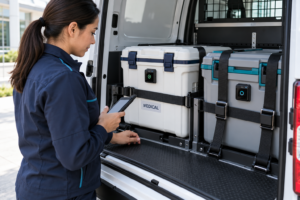
Examples include whole blood, red blood cells, plasma, and platelets. The blood bank prepares the shipment using the transport system required for that product.
The courier follows the blood bank’s instructions for handling, delivery timing, temperature protection, and handoff. Blood products have different shipping temperature requirements, so one cooling method should not be assumed suitable for every delivery.
Transplant Organs
Transplant organs can be part of a courier’s assigned work when the courier is accepted into the transplant organization’s transport process.
The organ procurement organization or transplant center prepares the shipment and provides the delivery instructions. The courier protects the prepared container and follows the required timing, tracking, and handoff procedures.
These deliveries require close coordination. Organ transport requirements address packaging, labeling, shipping, storage, and tracking, so the courier must follow the transplant team’s specific arrangements.
Pharmacy Medications and Temperature Sensitive Products
Pharmacy deliveries can include prepared prescriptions, refrigerated medications, vaccines, and other healthcare products.
The shipper supplies the appropriate package and any required temperature controls. The courier protects the shipment and follows the delivery instructions, including the process for reaching the intended recipient.
For a temperature-sensitive package, the assignment should include clear instructions for delays, a temperature alert, or an unsuccessful delivery.
Controlled Medications in Sealed Pharmacy Packages
Controlled medications can also be transported through an authorized pharmacy or shipper’s delivery arrangement. Federal law recognizes qualifying common and contract carriers that possess these substances in the usual course of their business.

In the workflow described here, the courier receives a sealed package without being told the medicine name. The focus is on package security, the correct recipient, delivery documentation, and prompt reporting of a missing or damaged shipment. DEA rules recognize precautions such as keeping outer shipping containers from identifying their contents as controlled substances.
The courier must still receive the instructions needed to perform the delivery. If the shipment is also regulated as hazardous material, any required hazard information, shipping documents, and emergency information must remain available.
Medical Supplies and Clean Equipment
Healthcare delivery routes may include packaged medical supplies, unused products, and clean medical equipment.
Examples include dressings, testing supplies, and small medical devices. The courier protects the packaging, prevents damage during loading and transport, and delivers the items to the designated location.
Products with special handling requirements should travel according to the supplier’s instructions.
Medical Records and Confidential Documents
Some courier assignments involve patient records, laboratory paperwork, or other documents containing protected information.
These deliveries call for secure handling and careful recipient verification. Packages and documents should remain protected throughout pickup, transportation, and delivery.
CMCP’s privacy and security training helps couriers recognize risks involving patient information on documents, labels, manifests, and delivery records.
Healthcare Shipments Cooled With Dry Ice
Dry ice may be used in prepared shipments containing frozen specimens or other temperature-sensitive healthcare materials.
CMCP includes dry ice transportation training covering cold-contact hazards, carbon dioxide buildup, package ventilation, vehicle airflow, securement, and incident response.
The courier protects the shipper’s prepared package and keeps required ventilation features unobstructed. Dry ice releases gas, so a closed transport package must still allow the venting required by its design. A route that includes air transportation may bring additional requirements.
Sealed Chemotherapy and Other Hazardous Drug Shipments
Couriers may transport prepared chemotherapy medications and other hazardous drugs for pharmacies and healthcare facilities.
CMCP includes training on recognizing these shipments, checking package exteriors, securing the load, protecting documents, and completing authorized handoffs.
The courier keeps the package closed and follows the client’s handling and incident procedures. The employer must confirm any additional instruction required for the drug and assigned duties.
Sealed Radiopharmaceutical Shipments
Radiopharmaceuticals are radioactive medicines used in imaging, nuclear medicine, and treatment.
The pharmacy or other authorized shipper prepares the package, including the required shielding and transport information. The courier protects that system, secures the load, and completes delivery under the client’s procedures.
CMCP includes relevant courier training. The employer must also confirm the applicable radiation safety, transport, security, and emergency requirements for the actual assignment.
Additional Cargo With Optional CMCP Training
Couriers who want to take on more specialized assignments can add training based on the cargo they plan to transport.
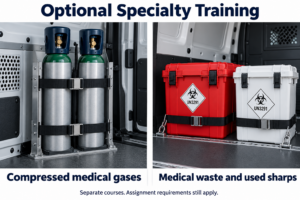
Compressed Gas Transportation Training and Regulated Medical Waste and Sharps Training, UN3291, are optional courses available alongside the CMCP bundle. They are separate from the standard 12-course program.
Completing the relevant optional training, together with the required employer instruction, equipment, and operating permissions, can prepare a courier for the following additional services.
Compressed Medical Gas Cylinders
Prepared medical gas cylinders are another type of healthcare cargo that couriers may transport after completing the relevant optional training and meeting the requirements of the assignment.
Examples covered by the course include:
- Medical oxygen.
- Nitrous oxide.
- Carbon dioxide.
- Compressed medical air.
- Nitrogen, helium, and argon.
The optional course focuses on sealed, non-bulk healthcare gas cylinders transported by highway. Topics include identifying the gas, inspecting the cylinder and valve, checking shipping information, using handling equipment, securing cylinders, and completing deliveries and returns.
Even when the supplier prepares the cylinders, they still need proper vehicle securement and protection from damage. The employer must confirm suitable equipment, driver qualifications, and any required transport documents.
The course’s transport scope does not include filling cylinders, connecting equipment to patients, bulk tanks, or cryogenic liquids.
Explore Compressed Gas Transportation Training
Regulated Medical Waste and Used Sharps UN3291
Couriers can prepare for eligible medical waste routes by adding Regulated Medical Waste and Sharps Training, UN3291, alongside CMCP.
This work involves prepared waste containers sent for authorized processing, treatment, or disposal. Examples may include qualifying contaminated dressings, disposable medical materials, certain laboratory waste, and used sharps in properly closed containers.
The healthcare facility or another authorized shipper determines the classification and prepares the shipment. The optional course teaches couriers to inspect containers, recognize unsafe conditions, check documents, secure the load, maintain custody records, and complete delivery to an authorized recipient.
The courier transports the closed container. Opening, sorting, repackaging, and collecting loose sharps are outside this course’s transport role. The course also has a separate scope from chemical, pharmaceutical, radioactive, and Category A waste.
State rules may add transporter registration, permit, manifest, or other operating requirements. These must be confirmed for the routes and waste involved.
Explore Regulated Medical Waste and Sharps Training
Choose Training for the Deliveries You Plan to Handle
Start by identifying the cargo your prospective employer or client needs transported. Ask which instructions, equipment, documents, and qualifications apply to those assignments.
CMCP provides a foundation for medical courier work. Optional training can help you prepare for additional services, including compressed medical gas cylinders and prepared UN3291 medical waste shipments.
Choose the training that matches your intended routes, then complete the client’s onboarding and operating requirements before accepting those deliveries.
Learn more about the CMCP certification bundle